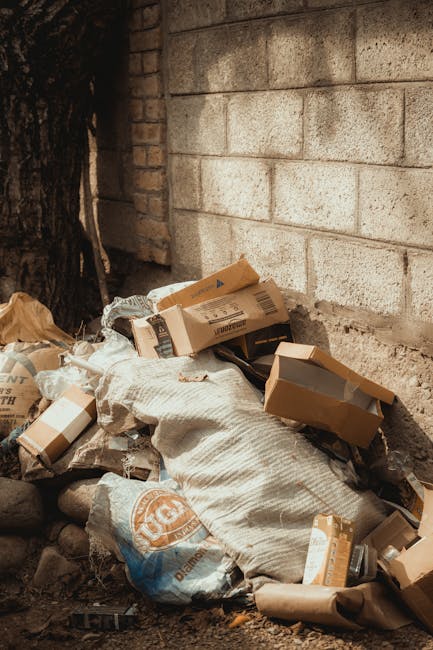
Rubbish removal guide Walworth Road Elephant and Castle

If you are dealing with a loft full of broken bits, post-refurbishment rubble, or just the awkward mess that seems to appear out of nowhere in a busy London property, this rubbish removal guide for Walworth Road Elephant and Castle should make life easier. The area has its own quirks: tight access, busy pavements, limited parking, and very little patience for waste left hanging around. So the trick is not just getting rid of rubbish - it is choosing the right method, avoiding delays, and making sure everything is handled properly.
In this guide, we will walk through how rubbish removal works locally, when a skip makes sense, when a man and van service is the smarter choice, what can and cannot go in the load, and how to avoid the common mistakes that cost time and money. Nothing fancy. Just the useful stuff you actually need.
Why Rubbish removal guide Walworth Road Elephant and Castle Matters
Rubbish removal sounds straightforward until you try to do it in a real London street. Walworth Road sits in a part of South London where traffic, access, and property layouts can complicate what should be a simple clear-out. One missed detail - a loading restriction, an awkward staircase, a bulky item that will not fit through the hallway - and suddenly a quick job becomes a long afternoon.
That is why a local guide matters. It helps you decide whether you need a full skip hire, a wait-and-load arrangement, or a more flexible collection service such as professional rubbish removal. It also helps you think ahead about space, permits, waste type, and whether your waste needs segregation before it is collected. To be fair, that planning stage is where most of the stress disappears.
There is also a safety angle. Piles of waste can block fire exits, attract pests, create trip hazards, and make a home or worksite feel chaotic. In tight urban properties, that matters more than people sometimes realise. If you have ever tried to step over a stack of old boards at the end of a long day, you already know the feeling.
For landlords, builders, homeowners, and business managers, proper rubbish removal is not just tidiness. It is part of staying organised, presentable, and on schedule. And when the job is handled well, nobody notices - which is exactly the point.
How Rubbish removal guide Walworth Road Elephant and Castle Works
At a practical level, rubbish removal works by matching the waste you have with the most efficient collection method. That might mean a pre-booked van collection, a skip placed with the right permissions, or a grab-based solution for heavier loads. The right answer depends on the amount of waste, the type of waste, and the access at your property.
Here is the basic flow most people follow:
- Identify what needs removing and roughly how much there is.
- Separate general waste from recyclables, bulky items, and anything restricted.
- Choose the collection method that fits the space and the load.
- Check whether you will need a permit or a short-term loading arrangement.
- Book the service and prepare access so the team can work quickly.
- Make sure the waste is collected, transported, and sorted responsibly.
If your rubbish is mostly loose household waste, broken furniture, bags of clutter, or cleared-out items from a flat, then a direct collection can be very efficient. If the job is heavier and more builder-focused, a builders waste removal approach or a builders skip hire option may make more sense.
For some properties around Elephant and Castle, access is the real issue. There may be no proper driveway, no room for a standard skip, and no appetite for a skip sitting outside for days. In those cases, a wait and load skip hire option or man and van collection can be a better fit because it keeps the process quicker and more controlled.
One important point: rubbish removal is not the same as just throwing everything into a container and hoping for the best. Some items are restricted, some need special handling, and some should be kept separate for recycling. If you want a deeper look at sorting rules, it helps to review what can go in a skip before you book anything.
Key Benefits and Practical Advantages
The biggest benefit is simple: you save time. But that is only part of it. A well-planned rubbish removal job can also reduce disruption, improve safety, and stop waste from becoming a nuisance while you figure out what to do with it.
- Less clutter at home or on site. You can move around properly again.
- Faster turnaround. Useful if you are clearing a flat before tenants move in or after a renovation.
- Better handling of bulky items. Sofas, mattresses, and appliances can be awkward, frankly.
- Cleaner segregation. Recyclables and mixed waste are easier to manage when planned in advance.
- Lower risk of damage. Less dragging heavy items across floors, stair rails, or walls.
- Fewer headaches with access. The right service works around narrow streets and limited parking more easily.
For households, this often means a quicker end to a stressful clear-out. For businesses, it means the workspace is usable again. For builders, it keeps the job moving instead of turning into a pile-up at the front of the property. That part matters more than people think - waste tends to slow everything down if it is left even one day too long.
There is also a sustainability benefit. Responsible operators sort for reuse and recycling where possible, which is why it is worth paying attention to a provider's approach to recycling and sustainability. You do not need a lecture about the planet to appreciate that less landfill and better sorting is usually the better outcome.
Who This Is For and When It Makes Sense
This guide is useful if you are doing any kind of clear-out near Walworth Road or around Elephant and Castle and you are not sure which disposal route is sensible. The likely audience includes:
- Homeowners dealing with loft, garage, or spare-room clutter
- Landlords preparing a property between tenancies
- Tradespeople clearing rubble, timber, packaging, or demolition debris
- Office managers getting rid of old furniture or confidential waste
- Retail or hospitality businesses with recurring waste pressure
- Anyone with bulky items they cannot fit in a car, van, or regular bin
It also makes sense if you are staring at a mixed pile and thinking, "Right, where do I even start?" That is the honest moment where a proper plan helps. A domestic clear-out usually suits domestic skip hire or collection support, while business premises often need a more structured commercial skip hire or office-clearance-style solution.
If the waste is awkward, heavy, or time-sensitive, you may prefer something with more flexibility. For example, garden waste from a tidy-up can be collected separately through garden waste removal, while loft contents, old boxes, and mixed household junk may be better handled through garage and loft clearance. Different mess, different fix. Simple as that.
Step-by-Step Guidance
Here is the practical approach we recommend when organising rubbish removal in this part of London.
1. Make a quick inventory
Walk through the space and identify the waste by type. Do not just guess from the doorway. A bag of household clutter, a broken wardrobe, and a pile of construction offcuts are all handled differently. Write down the bulky items first, then count bags, boxes, or loose material.
2. Separate what can be reused, recycled, or must be disposed of carefully
If you can keep wood, metal, cardboard, and general waste apart, you will usually make the collection more efficient. This also makes the final disposal process cleaner. Items like fridges, freezers, and certain appliances should be treated separately where possible, so it is worth checking fridge and appliance removal options if you have white goods on the list.
3. Choose the access-friendly method
Ask yourself a very practical question: can a skip be delivered and left safely, or would that cause more problems than it solves? In busy streets, a more compact approach can be smarter. A service like wait and load skip hire is often useful where parking is limited or you need a fast turnaround. It is not glamorous, but it works.
4. Check for permit needs early
If anything will sit on a public road, permissions may be needed. Do not leave that question until the evening before collection. It is one of those tiny admin tasks that can stall the whole project. If you are unsure, look at skip permits and skip hire permits before you book.
5. Prepare access before the collection day
Move cars if needed, clear hallways, unlock gates, and make sure the route is safe. You will notice a huge difference if the crew can get straight to the waste instead of stopping every minute to ask where things should go. A 10-minute preparation can save 30 minutes of faff. Possibly more.
6. Confirm disposal and recycling expectations
Ask how the waste will be handled after collection. Responsible providers should be able to explain their sorting approach clearly, especially for mixed loads. If your project involves broken plasterboard, timber, or heavier site waste, you may need a specialist route such as construction waste disposal or construction waste clearance.
Expert Tips for Better Results
Over time, the jobs that go smoothly tend to follow a few simple habits. Nothing dramatic. Just good preparation and the right match between the waste and the service.
- Measure bulky items before the day of collection. A sofa that looked manageable can become a hallway problem very quickly.
- Keep restricted waste separate. It saves time and avoids awkward last-minute surprises.
- Use the right container size. Too small means extra cost and delays; too large can be unnecessary.
- Think about the building layout. Narrow staircases, shared entrances, and internal courtyards all matter.
- Book sooner if you are on a deadline. Especially after a move, end of tenancy, or renovation handover.
- Match the service to the job. Heavy rubble and mixed building waste often need different handling from household clutter.
One small but useful tip: if the waste is scattered across several rooms, group it before collection. A neat pile by the exit or in one accessible room is usually faster than a hunt through the whole property. Nobody enjoys that hunt. Not really.
For commercial spaces, it is often worth looking at office clearance if the main issue is furniture, paper archives, old fixtures, or general workspace clutter. If privacy matters as well, confidential shredding is the cleaner route for documents that should not end up in mixed waste.
Common Mistakes to Avoid
Most rubbish removal problems are avoidable. The trouble is they are easy to overlook when you are busy and just want the mess gone.
- Underestimating the volume. A few bags can turn into a van full once everything is gathered.
- Mixing prohibited items into a load. That can delay collection or create extra handling requirements.
- Ignoring access limits. A large vehicle may not be suitable for every street or property entrance.
- Leaving the booking too late. Especially for same-day or next-day jobs.
- Choosing the wrong method for the waste type. Heavy builders' waste is not the same as a domestic declutter.
- Forgetting about permits. This one causes more frustration than it should.
A very common mistake in mixed clear-outs is treating all waste as one pile. In reality, separating a few key categories can save a lot of effort. If you are clearing a property after a move, an inheritance, or a long tenancy, house clearance may be the more sensible option because it is designed for exactly that sort of mixed and emotionally messy job.
And if your waste is especially awkward, bulky, or inaccessible, it may be better not to force a standard skip into the picture at all. A grab hire service or grab lorry hire can make more sense for larger loose loads. Different tools, different outcome.
Tools, Resources and Recommendations
You do not need a whole project-management system to organise rubbish removal, though some people try. A few practical tools are usually enough.
- A tape measure for doors, hallways, and bulky items
- A notepad or phone list for separating waste types
- Basic gloves and sturdy shoes if you are moving items yourself
- Clear bags or labelled piles for different waste categories
- Photos of the load to help with booking the right service
For pricing planning, review skip sizes and prices before making a decision. It is often helpful just to understand the relationship between size, access, and cost so you are not comparing apples with pears. If you need a full end-to-end booking process, the book online option can save time once you know what you need.
When the job is more specialised, these pages are useful starting points: site clearance for rough or leftover project waste, demolition waste removal for heavier strip-out material, and muck away services for loose spoil and soil-related waste. If you are dealing with enclosed premises or privacy concerns, enclosed and lockable skip hire may be worth considering too.
Law, Compliance, Standards and Best Practice
For rubbish removal, the main rule of thumb is simple: waste should be handled responsibly and by an appropriate route. In practice, that means checking what can be carried together, what needs special handling, and what should never be mixed into a general load.
In the UK, waste transfer and disposal responsibilities can apply depending on the type of waste and who is producing it. You do not need to become a legal specialist, but you should expect a reputable provider to operate carefully, manage loads properly, and explain any restrictions clearly. If a service is vague about what happens to the waste afterwards, that is worth pausing over.
For households, the key best practices are:
- Do not put hazardous or restricted material into general waste without checking first
- Keep documents and sensitive materials separate when privacy matters
- Ask about recycling and responsible sorting
- Make sure the collection method suits the site and access conditions
For business and construction users, it is even more important to keep waste streams organised. A mixed commercial load can create compliance headaches if it contains incompatible material. That is why some projects need a specific route like hazardous waste disposal or a more controlled commercial skip hire setup.
Also, safety matters. This sounds obvious, but people still try to lift too much at once or carry heavy items down stairs without clearing the route first. Please do not be that person. If the waste is awkward or heavy, use the right method and protect the property as well as the people in it. The job is not worth a pulled back or a dented wall.
Options, Methods, or Comparison Table
Choosing between rubbish removal methods often comes down to access, volume, speed, and the type of waste you have. Here is a simple comparison to help.
| Method | Best for | Pros | Watch out for |
|---|---|---|---|
| Rubbish removal / man and van | General clutter, bulky household items, flexible clear-outs | Quick, adaptable, suited to tight access | May be less efficient for very large volumes |
| Skip hire | Ongoing projects, larger mixed loads, DIY jobs | Useful for phased loading, good for bigger jobs | May require a permit and suitable roadside space |
| Wait and load | Areas with limited parking or no room for a skip | Fast and controlled, avoids long street placement | You need to load promptly during the agreed window |
| Grab hire | Loose heavy waste, spoil, rubble, bulky external piles | Efficient for large loose material | Not ideal for indoor clear-outs with awkward access |
For many Walworth Road properties, the decision is not about which method is best in theory. It is about which one fits the street, the building, and the waste pile without causing extra hassle. A smaller service that gets in and out smoothly can easily beat a bigger solution that creates problems. Happens all the time.
Case Study or Real-World Example
Here is a realistic example. A small landlord with a two-bedroom flat near Elephant and Castle needs to clear the place after tenants move out. The waste includes a broken bed frame, a mattress, old kitchen bits, several bags of general clutter, and a few pieces of flat-pack furniture that have been taken apart badly - the kind of badly where screws are hiding in carpet fibres.
At first, a skip might seem like the obvious answer. But there is limited roadside space, access is tight, and the landlord does not want to leave a container out for several days. After checking the layout, the more practical option is a same-day collection with flexible loading. In this sort of situation, same day skip hire or a direct collection service can be much easier than trying to manage a long placement period.
The team arrives, the bulky items are loaded first, and the smaller bags are grouped after. A mattress and an old sofa go separately through the right disposal route rather than being thrown into a mixed pile. The result is a cleared flat before the next viewing day, with far less disruption than a drawn-out DIY removal attempt.
That is the real value here: not just removing waste, but making the process feel manageable. You do not need everything to be perfect. You just need it handled properly and without drama.
Practical Checklist
Use this checklist before booking rubbish removal in Walworth Road or Elephant and Castle.
- List the waste by type, not just by room
- Measure the largest items and check access routes
- Separate anything hazardous, confidential, or restricted
- Decide whether you need skip hire, wait and load, grab hire, or man and van
- Check permit needs if anything will be left on a public road
- Review recycling and disposal expectations
- Book the service early if you have a deadline
- Clear hallways, gates, and parking access before collection
- Keep valuables and sensitive documents out of the waste pile
- Confirm the collection time and what happens on arrival
If your project is more specialised, it can also help to compare options for garden waste removal, house clearance, or office clearance before deciding. Different jobs really do call for different handling, and that little bit of thought upfront tends to pay off.
Conclusion
Rubbish removal in Walworth Road Elephant and Castle is easiest when you treat it as a practical planning task rather than a last-minute scramble. The best solution depends on access, volume, waste type, and how quickly you need the space back. Once those pieces are clear, the rest gets much simpler.
For some readers, that means a standard rubbish removal service. For others, it means a skip, a grab lorry, or a wait and load arrangement that suits a busy South London street better. Either way, the goal is the same: clear the waste safely, avoid unnecessary costs, and leave the property in better shape than you found it. A decent outcome, basically.
If you want a smoother, less stressful clear-out, start with the type of waste, then choose the collection method. That one decision usually sets the tone for the whole job.
Get a free quote today and see how much you can save.
Frequently Asked Questions
What is the best rubbish removal option for a flat near Walworth Road?
It depends on access and waste volume, but many flats do well with a man and van collection or wait and load service because they avoid long street placement and suit tight access.
Do I need a permit for rubbish removal in Elephant and Castle?
You may need a permit if a skip or container sits on a public road. If the waste is collected quickly and does not remain on the highway, a permit may not be necessary. It is best to check before booking.
Can I mix household rubbish with builders waste?
Sometimes mixed loads are possible, but it depends on the service and the waste type. Separating household items from construction debris often makes collection easier and can help with sorting and disposal.
What items are usually not accepted in a general rubbish removal load?
Hazardous materials, certain electrical items, confidential papers, and some specialist waste streams often need separate handling. If you are unsure, ask before collection rather than guessing.
Is same-day rubbish removal realistic in this area?
Yes, sometimes. It depends on availability, access, and the size of the job. For smaller or urgent clear-outs, same-day options can be very useful.
What is the difference between skip hire and rubbish removal?
Skip hire gives you a container for loading over time, while rubbish removal is usually a collection-led service that takes the waste away more directly. The right choice depends on space, timing, and the kind of waste you have.
How do I know what skip size I need?
Think about the volume of waste, whether it is bulky or compact, and how much space you have on site. A quick look at skip sizes and prices can help you compare options sensibly.
Can appliances like fridges and washing machines be removed with ordinary rubbish?
Not always. Appliances often need separate handling, especially white goods. It is better to check appliance-specific disposal rather than mixing them into a general load.
What is the most practical option for a busy commercial property?
Commercial sites often need structured, repeatable waste handling. Depending on the setup, commercial skip hire or a tailored clearance service can keep the site tidy without interrupting operations.
How can I reduce rubbish removal costs?
Sort waste before collection, avoid mixing restricted items with general waste, choose the right-sized service, and make access as easy as possible. A bit of preparation usually helps more than people expect.
Is there a good option for confidential waste during an office clear-out?
Yes. Sensitive paperwork should be kept separate and handled through a dedicated process such as confidential shredding rather than being mixed with general rubbish.
What should I do before the collection team arrives?
Clear access routes, move vehicles if needed, separate the waste by type, and make sure someone is available to answer access questions. That keeps the job moving and avoids the usual delays.
Where can I learn more about the company's approach to service and standards?
You can review the relevant policy and information pages, including about us, health and safety policy, and payment and security for extra reassurance before booking.