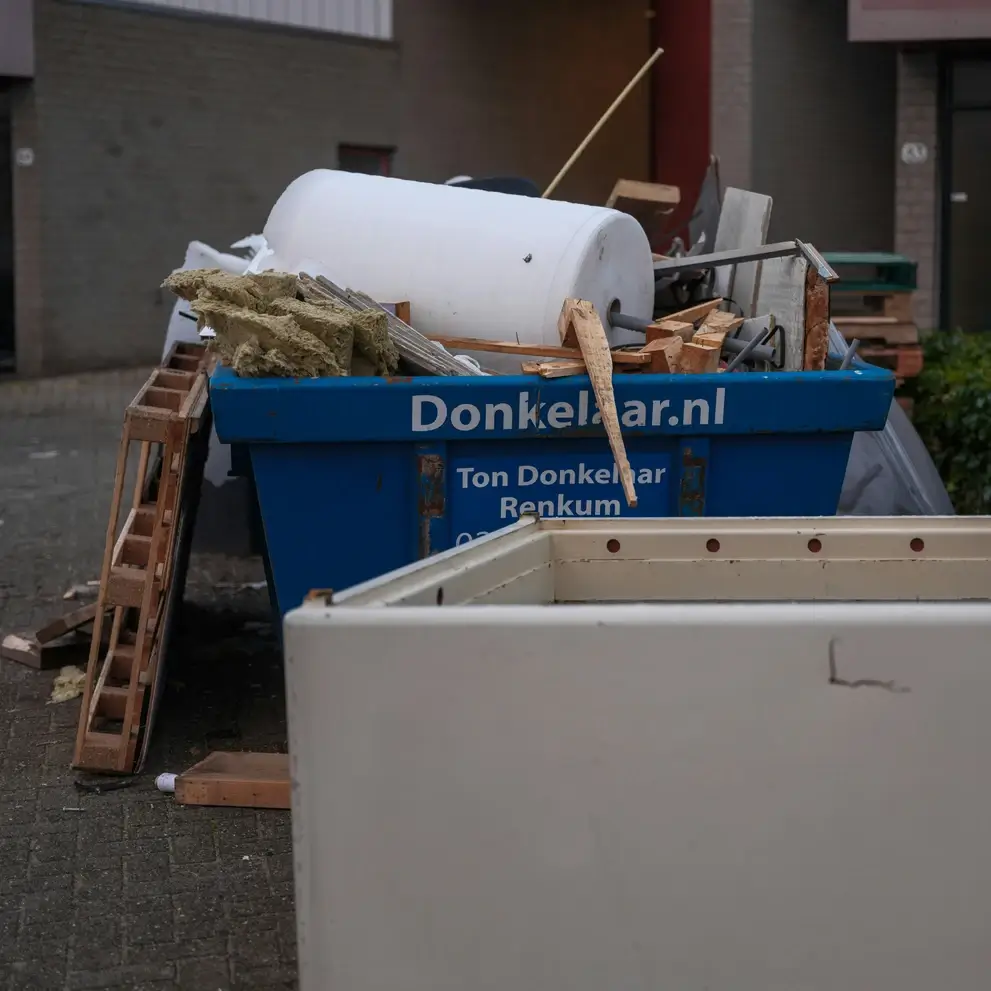
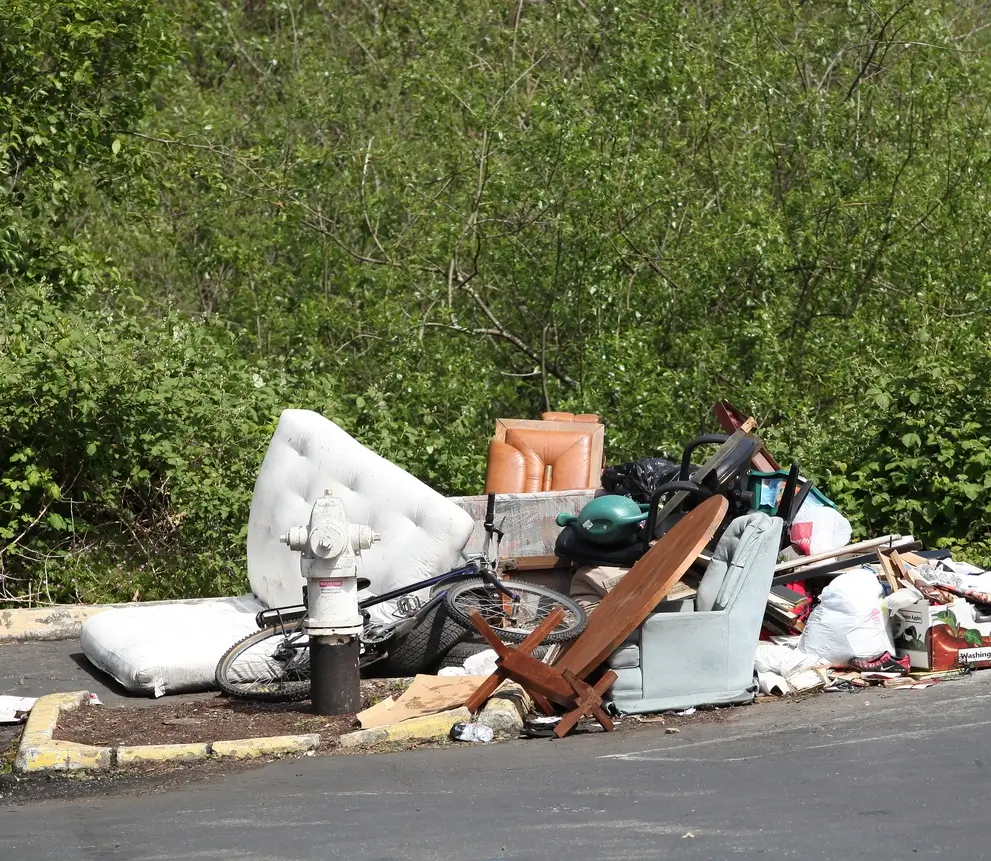
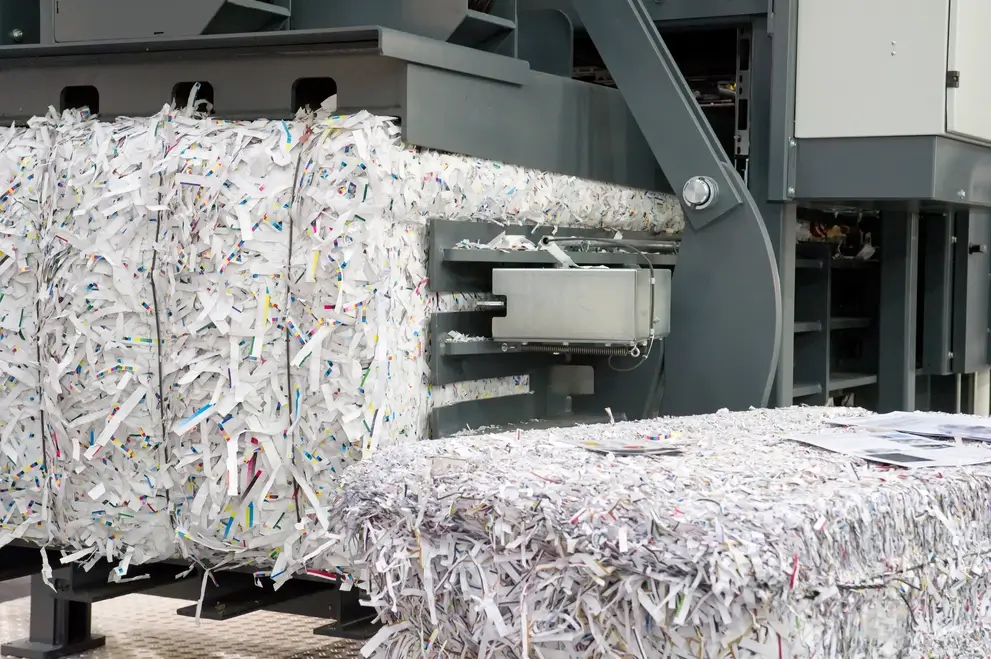
Skip Hire in Elephant and Castle for domestic, commercial and construction projects

Skip hire in Elephant and Castle needs to be straightforward, flexible and suitable for the kind of waste your project actually creates. We provide a clear way to arrange a skip for house clearances, refurbishment work, shop fit-outs, light construction jobs and general clutter removal, with options that can suit different access needs and waste volumes. The right choice depends on what you are disposing of, how much space is available and whether the collection point is on private land or needs additional permission.
Our service is built around practical waste removal, not guesswork. That means helping customers choose an appropriate skip size, understand what may need separate handling and plan the load so that disposal is efficient and compliant. If you are comparing skip hire options for a property in Elephant and Castle, a sensible starting point is the type of material you have, the time you need the container on site and the level of access available for delivery and collection.
For a quotation, it helps to have a simple list of the main waste types and the site conditions. You can plan your hire with confidence by checking the suitable skip category first, then deciding whether a standard open skip, a permit-based placement or a more access-friendly alternative is the better fit. Tell us what you are clearing, and we can guide you towards the most suitable route.
Choosing the right skip for the job
Different jobs create very different waste streams, so the most useful hire is not always the biggest one. A bathroom refit, for example, may involve tiles, plasterboard and old fixtures, while a loft clearance may be a mix of cardboard, textiles, furniture and household junk. Matching the container to the waste avoids underestimating capacity or paying for space you do not need. It also helps to think about loading, because dense materials such as soil, rubble and concrete behave very differently from lightweight bulky items.
If you already know the nature of the waste, our service pages can help you narrow down a practical option. Builders skip hire is suited to building and renovation debris, while domestic skip hire is a useful route for household clearances and home improvement projects. If your job involves larger volumes of hardcore, bricks or mixed site waste, it may also be worth reviewing builders waste removal alongside skip hire so you can compare the most suitable method for the material and access involved.
Not every project needs a long keep period or the same size of container. A small maintenance task may benefit from a compact option, while a major strip-out is better planned with a larger capacity and a clearer loading pattern. If you want to keep the process simple, start with the waste itself rather than the container size. That usually leads to a better result and a more accurate quotation.
How our skip hire service works
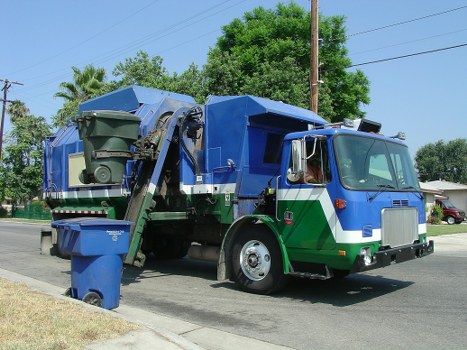
The hire process is designed to be direct from the first enquiry through to collection. Once the waste type and intended use are clear, the next stage is selecting the right container and agreeing where it can be placed. Depending on the location and the available space, that might be a driveway, private yard, forecourt or another suitable point with enough room for safe delivery and pick-up.
For sites where access is tighter or the material is awkward to handle, alternatives can be more practical than a conventional skip. Wait and load skip hire is often considered when there is limited space for leaving a container in place, while grab hire services can be appropriate when waste is already piled or spread across an area. These choices are useful to compare if your project in Elephant and Castle needs a method that fits the site rather than forcing the site to fit the method.
To prepare for a quotation, it is usually enough to note the main waste category, whether the material is loose or bagged, and any access limits such as narrow entry points or parking restrictions. Clear information at the outset reduces delays later. If the waste includes items with special handling needs, those should be mentioned early so the right route can be suggested before the booking is confirmed.
Domestic waste, clearances and home projects
Homeowners and landlords often need a service that can deal with mixed waste from everyday clear-outs as well as planned improvements. Kitchen changes, shed dismantling, furniture disposal and loft or garage clearance can all generate awkward combinations of bulky and heavier material. A skip can be a sensible option when the waste can be loaded over a short period and kept together in one place until collection.
Where the work is more about clearing rooms or outbuildings than handling a single trade load, it can help to compare related services as well. House clearance is useful when an entire property or substantial part of it needs attention, while garage and loft clearance is more targeted to storage spaces and accumulated household items. For gardens, hedge cuttings and outdoor waste, garden waste removal may be a more focused solution than a general skip, especially where green waste makes up most of the load.
Household waste can be simple, but it still benefits from a sensible loading order. Lighter items can be placed around heavier items, and breakable material can be packed with care so that the load is stable. If you are unsure whether a particular item belongs in the container, ask before loading it. That is a practical way to avoid delays when the skip is collected.
Commercial and construction waste
Businesses and contractors often need waste removed in a way that supports ongoing work rather than interrupting it. Office refits, shop changes, small developments and maintenance programmes can all produce mixed debris that must be kept moving. The right container can help keep a site tidy and make disposal more organised, especially when materials are generated in stages rather than all at once.
For larger or more specialised commercial work, it may be useful to look at commercial skip hire alongside construction waste disposal. When the task is focused on a particular stage of a project, site clearance and construction waste clearance can offer a more direct way to remove accumulated debris. If the work involves demolition material, demolition waste removal provides another route for heavy, broken or mixed load types.
Commercial customers often benefit from planning the waste stream in advance. That can include separating cardboard, timber, plasterboard and rubble where practical, and deciding whether multiple collections are likely. A well-matched service can support tidier working areas and fewer interruptions. If you are arranging a project quote, it is worth noting whether the waste will be generated in one phase or over several visits.
Access, permits and placing a skip safely
In an area with busy streets and varied property layouts, access can be just as important as the waste itself. A good hire arrangement starts with checking whether the delivery point can be reached safely and whether there is enough clear space for the vehicle and the container. Tight corners, parked cars and shared entrances can all affect the most suitable option, so it is best to assess the route before confirming the booking.
Some placements require extra permission, especially where a skip is to be kept on the public highway. The dedicated guidance pages skip permits and skip hire permits explain the permit topic in more detail, while skip hire gives an overview of the core service. If access is difficult but the waste still needs to be removed promptly, same day skip hire may be relevant where it suits the site and the timing available.
Think about access before you book. That includes clearance height, turning space, the surface the container will sit on and whether the placement might affect neighbours or foot traffic. A clear photo or brief description of the entrance can be helpful when requesting a quotation. If the space is restricted, it may be more practical to discuss alternatives than to force a standard arrangement into an unsuitable spot.
Skip sizes, pricing and what affects the quote
Quote levels are shaped by a few practical factors rather than a single fixed formula. The most obvious are the container size, the type of waste, the length of hire and any additional handling required. Dense loads may carry different disposal implications from mixed light waste, while restricted access can affect the logistics of delivery and collection. The cleaner the description of the job, the more accurately the price can be discussed.
If you are comparing options, two useful pages are skip sizes and prices and pricing and quotes. They can help you understand how capacity and waste type influence the final choice. For customers who need an enclosed option for security or weather protection, enclosed and lockable skip hire is another useful route to consider, particularly where the contents need to be kept covered or less visible on site.
The most efficient quotation process is usually a simple one: choose the likely service, describe the material and confirm how long you need the container. If the work is ongoing, it may also be worth saying whether the skip will be filled gradually or in one concentrated session. That information helps narrow the most suitable arrangement without overcomplicating the booking.
Specialised waste streams and restricted items
Some waste needs separate consideration because it cannot be handled in the same way as general mixed rubbish. Appliances, hazardous material, confidential paper and bulky furniture may all call for a different disposal route, depending on what the load contains. Keeping those streams distinct from general skip waste is a sensible way to stay organised and avoid problems when the container is collected.
Where the material is more specific, the following pages may be relevant: hazardous waste disposal for items requiring specialist handling, fridge and appliance removal for larger domestic or commercial equipment, and confidential shredding for paperwork that should not go into a mixed load. For mixed household furniture, mattress and sofa disposal can also be worth reviewing if you are dealing with large single items rather than a full clear-out.
If you are uncertain about what can be loaded, that should be checked before the job starts. A skip is convenient when the waste is suitable for that route, but it is not the right solution for every item. Sorting the load at the beginning is the easiest way to avoid confusion later and keep the collection process smooth.
Recycling, reuse and responsible disposal

Waste services work best when disposal is planned with reuse and recycling in mind. Mixed loads can often contain material that is better separated before collection, such as cardboard, metal, timber or inert rubble. Even when a job produces a broad mix of waste, it is still worth considering how the contents can be organised so that the final disposal route is more efficient.
Useful supporting pages include waste recycling services, recycling and sustainability and what can go in a skip. Those pages can help customers understand how a load is assessed and what sorts of material are commonly separated from mixed waste. If your project produces predominantly soil, hardcore or other moveable site material, muck away services and grab lorry hire are also useful comparisons for larger or more specialist disposal tasks.
Good sorting helps, even on busy jobs. It is easier to manage a load when recyclable material, reusable items and residual waste are considered before everything is piled together. If the project includes materials with unusual disposal rules, mention them early so the quotation can reflect the correct handling route.
About Elephant and Castle
Elephant and Castle is a district in Southwark, central London, closely associated with a major road junction and a long history of change and renewal. The name has been used for the area for centuries and is often linked to the coaching inn once known by that sign. Today it sits between several busy routes and is shaped by a mix of residential blocks, transport infrastructure, civic buildings and commercial premises. Its position south of the Thames has made it an important part of inner London movement patterns for generations, with the surrounding streets reflecting repeated redevelopment over time. The area is not a single uniform neighbourhood but a varied urban district with different layers of built form.
The transport identity of the area is one of its most recognisable features. Elephant and Castle station serves both Underground and National Rail routes, and the wider junction connects to roads leading through central and south London. Local development has brought a changing skyline, while older streets and surviving buildings still show traces of earlier phases of the district’s growth. Shopping parades, mixed-use schemes, housing estates and education buildings contribute to a dense urban character. Nearby open spaces and civic places help balance the intensity of the road network, and the district remains closely tied to the wider life of Southwark and the central London corridor.
Arrange your quotation
If you need a skip in Elephant and Castle, the easiest next step is to identify the waste type and the space available for delivery. From there, the most suitable service can be matched to the job rather than guessed. Whether you are clearing a flat, managing trade debris or planning a larger project, the aim is to make disposal simple, practical and properly suited to the site.
For more detail on booking and service options, see book online and contact us. If you are comparing costs or want to understand how the quote is formed, pricing and quotes is a helpful place to begin. Request a quotation today and we will help you find the most suitable skip hire option for your job.
When you are ready, send through the waste type, the approximate amount and any access details that could affect placement. That is usually enough to start the quotation process and point you towards the right service without unnecessary back-and-forth.